Sleep plays a vital role in physical health, mental clarity, emotional balance, and overall well-being. Yet many people struggle to fall asleep or stay asleep due to stress, irregular schedules, excessive screen time, or underlying health concerns. While medications and supplements are often used to address sleep problems, natural solutions are gaining attention for their long-term benefits and minimal side effects. One such solution is red light therapy, a non-invasive approach that supports the body’s natural sleep mechanisms and promotes deeper, more restorative rest.
Understanding Red Light Therapy and How It Works
Red light therapy involves exposure to low levels of red or near-infrared light, typically delivered through LED panels or lamps. Unlike blue light, which can interfere with sleep, red light has a calming effect on the body and does not disrupt the natural sleep cycle. This therapy works by penetrating the skin and stimulating cellular function, particularly in the mitochondria, which are responsible for energy production. Improved cellular efficiency supports overall bodily balance, including the systems that regulate sleep and recovery.
The Role of Light in Sleep Regulation
The human sleep cycle is closely tied to the circadian rhythm, an internal clock that responds primarily to light and darkness. Exposure to blue and white light in the evening, especially from screens, can suppress melatonin production and delay sleep onset. Red light therapy, on the other hand, does not suppress melatonin and may even help support its natural release. By reducing exposure to disruptive light and replacing it with red light in the evening, the body receives clearer signals that it is time to relax and prepare for sleep.
Supporting Natural Melatonin Production
Melatonin is the hormone responsible for signaling the body that it is time to sleep. Stress, irregular routines, and excessive artificial lighting can reduce melatonin levels, leading to difficulty falling asleep. Red Light Therapy For Sleep supports the body’s natural melatonin production by creating a calming environment that aligns with the body’s biological clock. Consistent exposure to red light in the evening can help reinforce healthy sleep patterns and improve the timing and quality of rest without the need for external sleep aids.
Reducing Stress and Promoting Relaxation
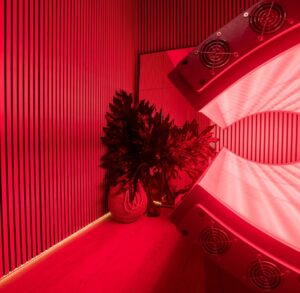
Stress and anxiety are common contributors to poor sleep quality. Red light therapy has been shown to promote relaxation by encouraging the release of endorphins and reducing cortisol levels. The gentle warmth and soothing visual effect of red light help calm the nervous system, making it easier for the body to transition into a restful state. When stress levels decrease, the mind becomes quieter, and the body can relax more fully, creating optimal conditions for falling asleep naturally.
Enhancing Muscle Recovery and Physical Comfort
Physical discomfort, muscle tension, and chronic pain can interfere with sleep, causing frequent awakenings and restlessness. Red light therapy supports muscle relaxation and recovery by increasing blood flow and reducing inflammation. This can be especially beneficial for individuals who experience soreness from exercise, physically demanding jobs, or chronic conditions. When the body feels more comfortable and relaxed, it is easier to achieve deeper and more uninterrupted sleep throughout the night.
Improving Sleep Consistency and Quality
One of the most significant benefits of red light therapy is its ability to support consistent sleep patterns over time. Rather than forcing sleep through sedatives, red light therapy works with the body’s natural rhythms. Regular evening use can help regulate sleep timing, reduce nighttime awakenings, and improve overall sleep quality. Many users report feeling more refreshed in the morning and experiencing improved energy levels during the day as their sleep becomes more stable and restorative.
Red Light Therapy and Reduced Blue Light Exposure
Modern lifestyles often involve prolonged exposure to screens, which emit blue light known to disrupt sleep. Replacing harsh lighting with red light therapy in the evening can help counteract the negative effects of screen exposure. Using red light lamps or devices before bedtime creates a sleep-friendly environment that supports relaxation rather than stimulation. This simple adjustment can make a noticeable difference in how quickly and easily the body transitions into sleep.
Safe and Non-Invasive Sleep Support
Red light therapy is a safe and non-invasive option for individuals seeking natural sleep improvement. It does not involve medications, chemicals, or invasive procedures, making it suitable for long-term use. When used as directed, red light therapy has minimal side effects and can be easily incorporated into a nightly routine. Its gentle approach makes it an appealing alternative for those looking to improve sleep without relying on pharmaceuticals.
Creating a Bedtime Routine with Red Light Therapy
Consistency is key when using red light therapy to improve sleep. Incorporating it into a calming bedtime routine can enhance its effectiveness. This may include dimming household lights, reducing screen use, practicing relaxation techniques, and spending time under red light therapy before bed. Over time, the body begins to associate these habits with sleep, strengthening the natural cues that signal it is time to rest.
A Natural Path to Better Sleep
Red light therapy offers a promising and natural way to improve sleep quality by supporting the body’s biological rhythms, reducing stress, and enhancing physical comfort. By addressing the underlying factors that disrupt sleep rather than masking symptoms, it encourages healthier and more sustainable sleep patterns. For those seeking a gentle, effective, and drug-free approach to better rest, red light therapy can be a valuable addition to a holistic sleep wellness routine.