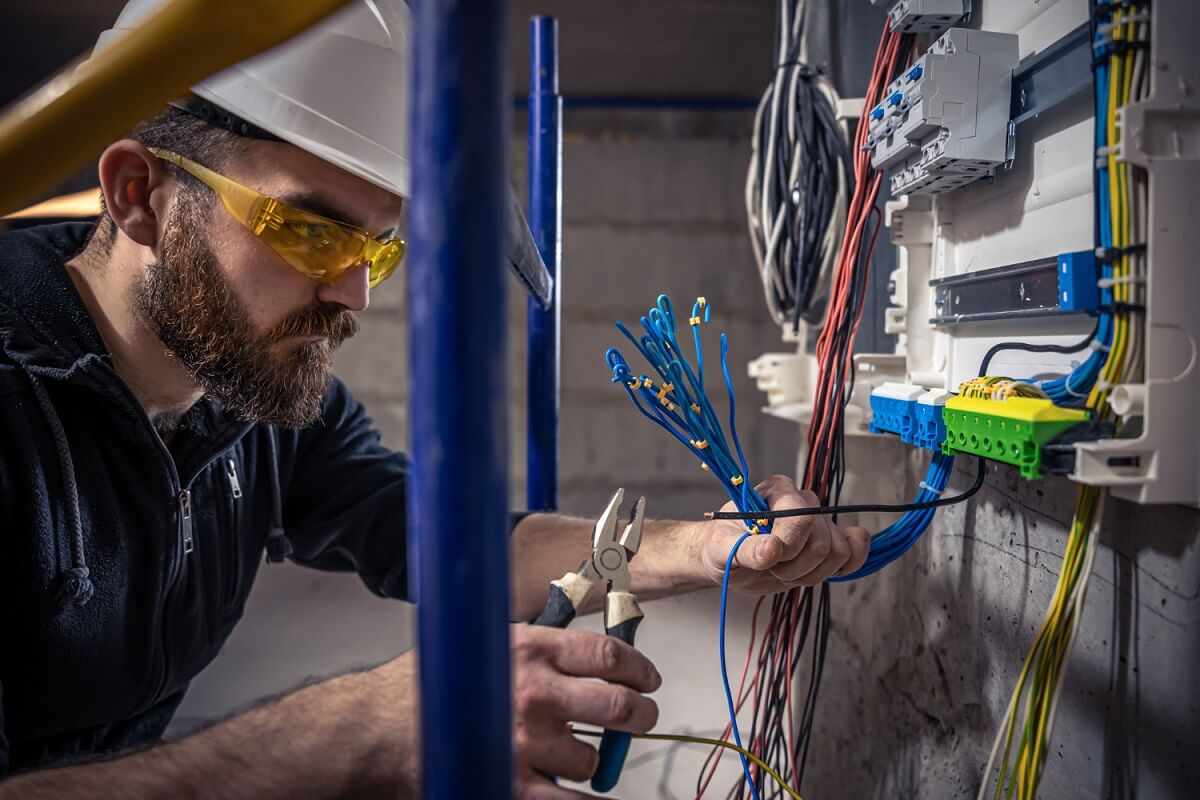
Electricians play a crucial role in our modern society, ensuring the safe and efficient functioning of electrical systems in homes, businesses, and public infrastructure. Their expertise spans a wide range of responsibilities, from installing wiring and lighting fixtures to troubleshooting complex electrical issues. As technology continues to evolve, electricians are not only tasked with traditional electrical work but also adapting to new innovations, such as smart home technology and renewable energy installations, making their role more vital than ever.
In an ever-changing landscape where electrical safety standards and regulations constantly evolve, skilled electricians are essential for maintaining the integrity of electrical installations. This article delves into the diverse responsibilities of electricians, the importance of their training and certifications, and the impact of their work on our daily lives. Whether you are a homeowner looking to undertake a project or someone curious about the profession, understanding the role of electricians is key to appreciating the foundational services they provide.
Responsibilities and Skills of Electricians
Electricians are responsible for a myriad of tasks that can vary greatly depending on the nature of their work environment. They may perform installations, upgrades, repairs, and maintenance on various electrical systems, which include electrical circuitry, lighting, and power distribution networks. Beyond technical skills, electricians must also have a strong understanding of safety codes and regulations, ensuring that all installations meet legal standards. As they adapt to modern technological advancements, such as the integration of smart home systems and energy-efficient solutions, electricians develop expertise in sophisticated troubleshooting and design practices. For instance, electricians hawthorn often utilize their knowledge to implement cutting-edge technologies, enhancing the functionality and efficiency of residential electrical systems.
Importance of Training and Certification
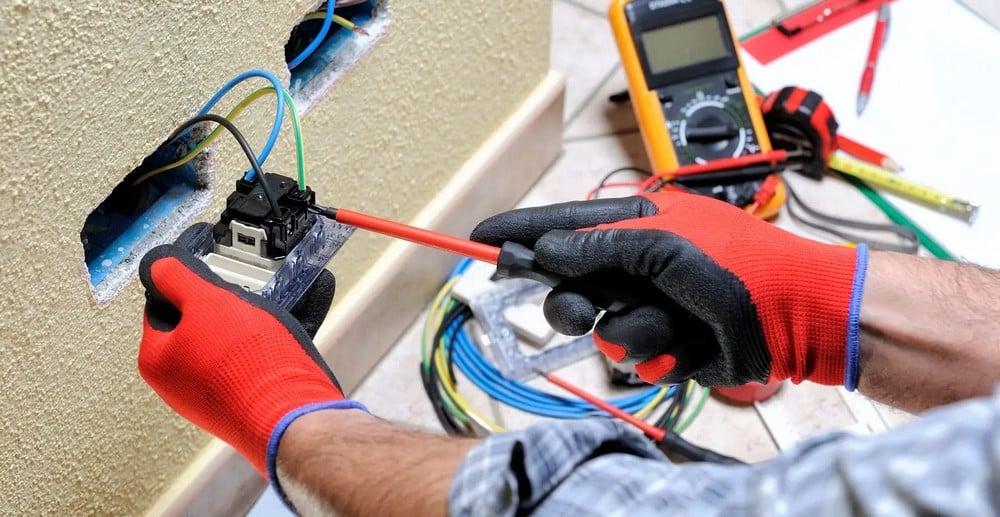
Formal training and certification are fundamental to the profession, ensuring that electricians are equipped with the necessary skills to handle complex tasks safely. Apprenticeships combine classroom education with hands-on experience, allowing individuals to master both theoretical concepts and practical applications under the guidance of experienced professionals. Furthermore, ongoing education is essential, as advancements in electrical technology and changes to safety regulations demand that electricians stay updated. This commitment to continuous learning is vital not just for the electricians themselves, but also for the safety of the communities they serve, helping to build trust and ensuring high-quality service delivery in all aspects of electrical work.
In conclusion, electricians are indispensable figures in our society, demonstrating a blend of technical skill, safety awareness, and adaptability to ever-evolving technologies. Their comprehensive training and commitment to ongoing education not only equip them to handle a vast array of tasks safely and efficiently but also position them as vital contributors to innovations in electrical solutions. As we increasingly rely on advanced technologies such as smart homes and sustainable energy sources, the importance of electricians in ensuring that these systems function properly and safely cannot be overstated. By recognizing and valuing the pivotal role they play, we can appreciate the essential services they provide, ensuring our homes and communities remain powered, functional, and safe.